
Ledger.com/Start® | Getting started® — Ledger Support
Ledger.com/start helps you get your Ledger wallet ready with essential setup steps, software access, device connection, and guidance for managing digital assets.
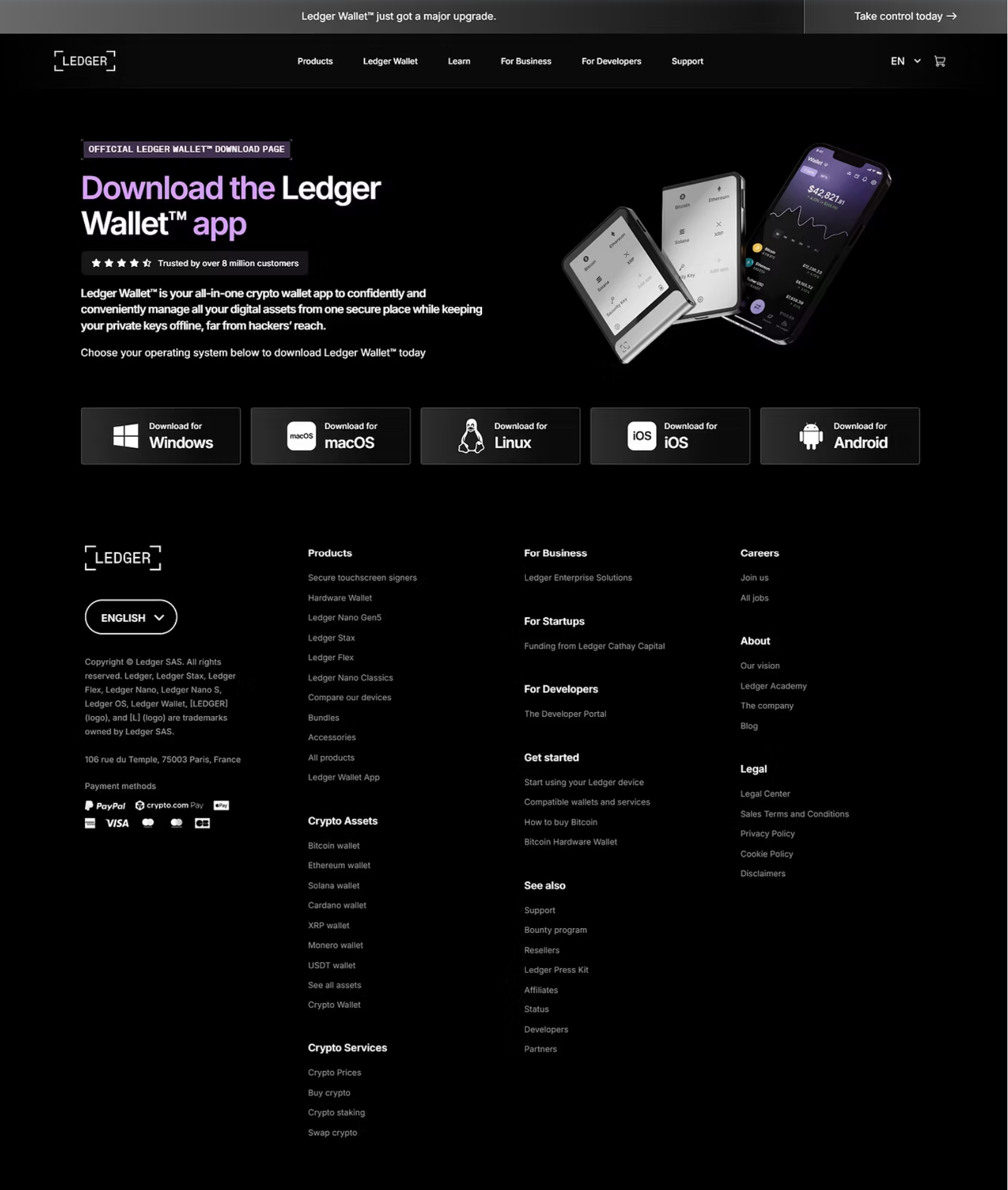
Ledger.com/start: Take the First Step With Your Ledger
Setting up a hardware wallet is an important part of learning how to manage cryptocurrency through self-custody. Ledger.com/start provides a starting point for users preparing a compatible Ledger device and becoming familiar with the basic setup process.
Taking a careful approach from the beginning can make future wallet management easier and help establish responsible security habits.
Begin With a Verified Source
Before starting the setup, confirm that you are using a trusted Ledger resource. Crypto users may encounter websites that copy familiar branding or messages that direct them to unofficial wallet services.
Avoid downloading software from unknown sources. Be equally cautious with links received through social media, email, or unexpected support messages.
Set Up Your Device Step by Step
Connect your compatible Ledger hardware wallet and follow the instructions provided for your device. Read each prompt carefully, particularly when the process involves security settings or recovery information.
Do not rush through the setup. Understanding what you are confirming can help you avoid mistakes later.
Protect Your Recovery Phrase
Your recovery phrase should always remain private. Record it according to the instructions provided during setup and keep the backup somewhere secure and offline.
Never share the phrase with another person, even if they claim to be a support representative. Do not enter it into websites, forms, emails, screenshots, cloud services, or messaging applications.
Learn Before You Send
Once your wallet is configured, become familiar with your compatible Ledger software and basic account functions. Depending on the device and supported assets, you may be able to view accounts, monitor balances, and manage supported transactions.
When sending cryptocurrency, check the recipient address and amount carefully. If your hardware wallet displays transaction details for approval, compare them with your intended transaction before confirming.
Keep Security in Your Routine
Good habits include:
- Using trusted Ledger resources
- Keeping the recovery phrase offline
- Avoiding suspicious wallet links
- Reviewing transaction information
- Protecting the physical device
- Staying aware of phishing attempts
Conclusion
Ledger.com/start can provide a practical beginning for users setting up a compatible Ledger hardware wallet. Following trusted instructions and protecting recovery information from the start can help create a more organized and responsible approach to crypto self-custody.
Updated about 10 hours ago