
Ledger.com/Start® | Ledger Device Setup — Ledger Support
Start with Ledger.com/start to explore secure crypto management, trade digital assets, send and receive funds, monitor prices, and more from one place.
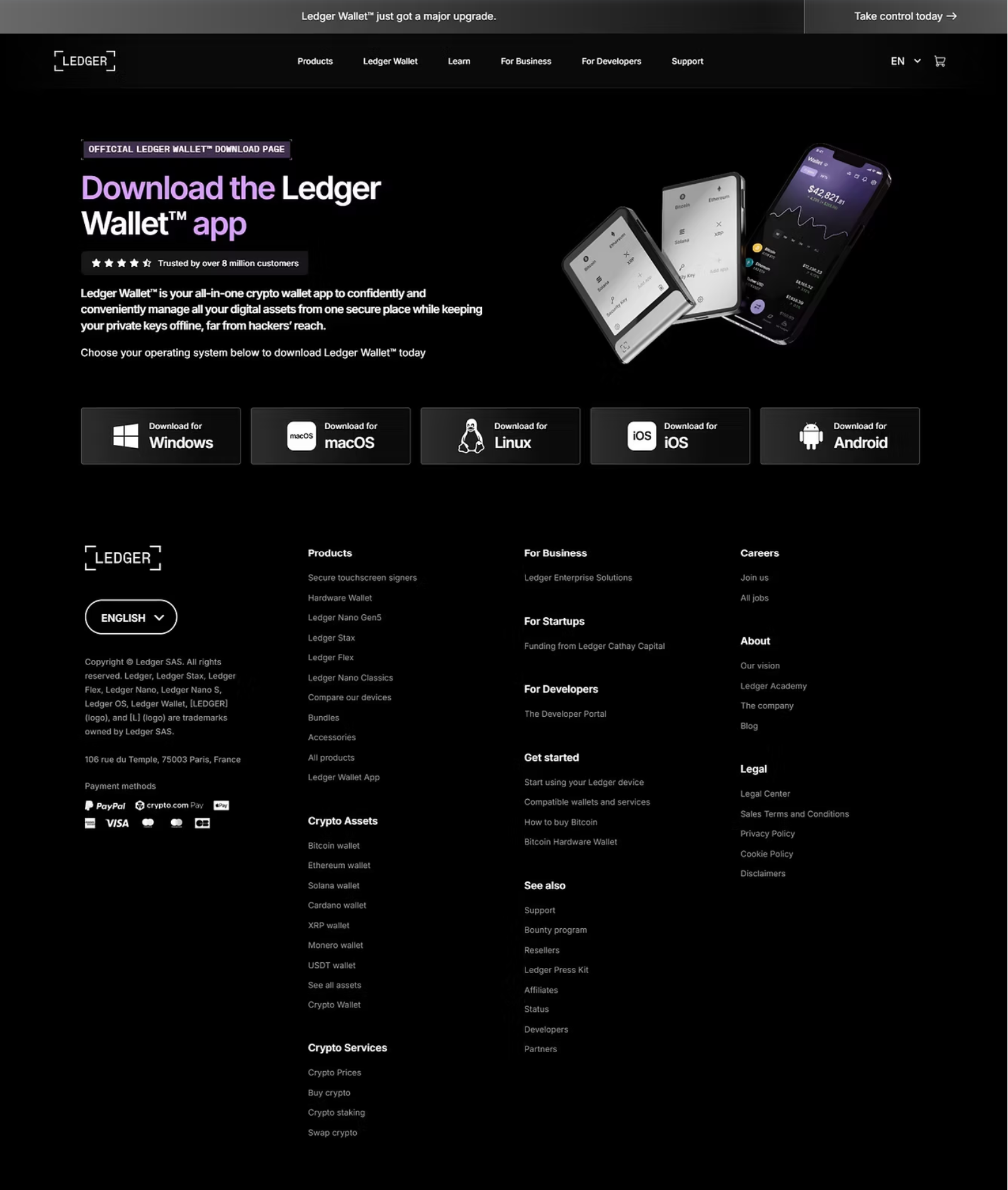
Ledger.com/start: Understand Your Wallet From the Beginning
Starting with a hardware wallet is easier when you understand the purpose of each setup step. Ledger.com/start can serve as a starting point for users preparing a compatible Ledger device and learning how to approach cryptocurrency self-custody responsibly.
A thoughtful setup can also help establish habits that make everyday wallet management more organized.
Begin With a Trusted Source
The first step is to make sure you are using legitimate Ledger resources and the appropriate software for your device. Avoid relying on links from unexpected emails, social-media messages, or unfamiliar websites.
During setup, read the instructions carefully and avoid rushing through security prompts. If something seems unusual, pause and verify the information through a trusted official source.
Protect Your Recovery Words
Recovery words are an important part of a self-custody wallet. If they are generated during the setup process, record them exactly as instructed and store them somewhere secure and offline.
Never share these words with another person. Legitimate support should not ask you to reveal them. They should also never be entered into websites, online forms, emails, screenshots, cloud storage, or messaging applications.
Become Familiar With Wallet Operations
After completing the setup, spend some time learning how your wallet works. Depending on your device and supported assets, you may be able to review balances, manage accounts, monitor transactions, and prepare transfers.
Before approving a transaction, carefully compare the destination address and amount with what you intended to send. If your Ledger device displays transaction details, review those details before confirming.
Keep Security in Mind
A few consistent habits can make wallet management more responsible:
- Use trusted Ledger resources for setup and software.
- Keep recovery information private and offline.
- Verify wallet-related websites before entering information.
- Review transaction details before approving them.
- Be cautious of fake support accounts and urgent messages.
- Keep compatible software appropriately maintained.
Conclusion
Ledger.com/start can provide a useful starting point for users setting up a compatible Ledger hardware wallet. Learning the setup process and adopting careful security habits from the beginning can create a stronger foundation for long-term crypto management.
Updated about 10 hours ago